Услуги сантехника in 2024: what's changed and what works
The plumbing industry has evolved dramatically over the past year. Gone are the days when you'd flip through a phone book and hope the guy who shows up knows what he's doing. In 2024, hiring a plumber looks completely different—and honestly, it's mostly for the better. Let's break down what's actually working right now and what's changed in the world of plumbing services.
What's Actually Different About Plumbing Services in 2024
1. Instant Booking Apps Have Replaced Phone Tag
Remember calling three different plumbers and waiting for callbacks that never came? That's ancient history. Most plumbing businesses now use scheduling platforms that let you book appointments at 11 PM on a Sunday if that's when your pipe decides to burst. You can see available time slots, compare rates, and even check which technician is coming to your house.
The real game-changer? Real-time tracking. You know exactly when your plumber is arriving—no more sitting around for a "sometime between 9 AM and 5 PM" window. Some services now send you a photo and bio of the technician heading your way, which honestly makes the whole experience less awkward when a stranger shows up at your door with a wrench.
The flip side: not every plumber has jumped on this bandwagon. Smaller, independent operators might still run on the old-school phone system. That's not necessarily bad—some of the best technicians I've met don't have fancy apps—but you'll need to adjust your expectations accordingly.
2. Video Diagnostics Before Anyone Leaves the Shop
Here's something that saves everyone time and money: plumbers now do preliminary assessments over video chat. You show them your leaking faucet or weird toilet situation via smartphone, and they can often tell you right away if it's a $50 fix or a $500 problem. About 30% of service calls can be resolved with simple guidance over video, according to several plumbing companies I've spoken with.
This approach cuts down on unnecessary service calls and helps you avoid the dreaded "trip charge" for something you could've handled yourself with a YouTube tutorial and a $12 part from the hardware store. Smart plumbers have figured out that being honest about this stuff builds trust—and trust brings repeat customers when real problems pop up.
3. Transparent Pricing Upfront (Usually)
Pricing transparency has become the norm rather than the exception. Most reputable plumbers now provide detailed estimates before starting work, often broken down by parts and labor. You'll see exactly what that new water heater costs versus the installation fee versus the disposal of your old unit.
The catch: "diagnostic fees" are now standard, typically running $75-150. Think of it as paying for expertise—the plumber comes out, figures out what's wrong, and gives you a quote. If you approve the work, that fee usually gets rolled into the total cost. If you decline, you're out the diagnostic charge but you know what you're dealing with.
Watch out for the old bait-and-switch artists who still exist. If someone gives you a suspiciously low initial quote and then "discovers" additional problems once they're in your house, you're probably getting played. Check reviews specifically mentioning pricing surprises.
4. Smart Home Integration Is Becoming Standard
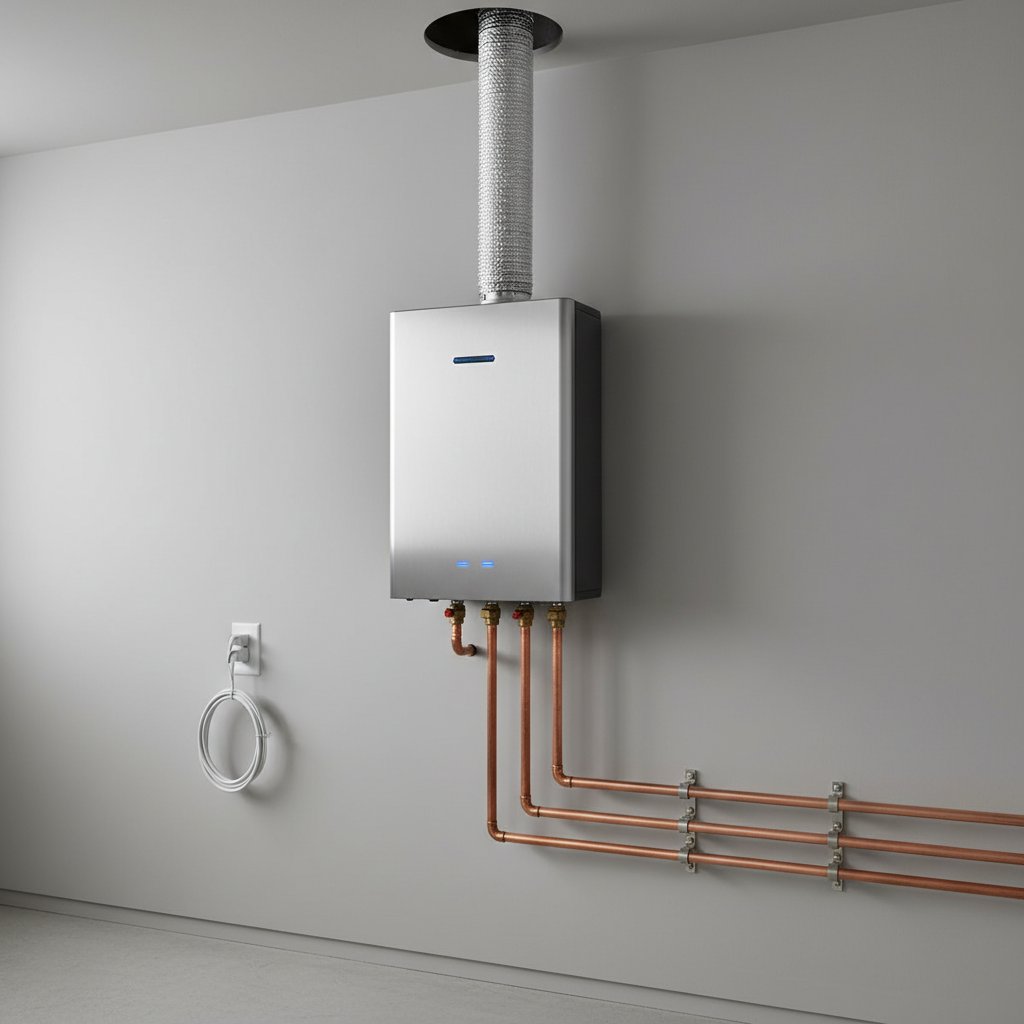
Plumbers in 2024 aren't just fixing pipes—they're installing and servicing smart water systems. Leak detectors that shut off your main water line automatically? Standard offering. Water heaters you control from your phone? They've installed dozens. Whole-house water monitoring systems that track usage and alert you to problems? That's the new normal.
This shift means you want a plumber who understands both the physical infrastructure and the tech side. The 60-year-old master plumber with 40 years of experience might be brilliant with copper piping but stumped by Wi-Fi-enabled fixtures. Meanwhile, younger techs who grew up with smartphones might nail the smart home stuff but lack the deep experience for complex problems.
5. Same-Day Emergency Service Costs More (But Actually Exists)
Emergency plumbing services have gotten faster and more reliable, but you're paying premium rates for that convenience. A standard service call might run $150-300, while emergency after-hours service can hit $400-600 before any actual repairs happen. Weekends and holidays? Add another 20-50% on top.
The trade-off is that these services actually deliver. Companies have figured out staffing models that keep technicians available outside business hours. Your midnight pipe burst can get addressed by 2 AM instead of waiting until Monday morning while water destroys your basement.
6. Subscription Models for Preventive Maintenance
A growing number of plumbing companies now offer annual membership plans—think $200-400 per year for regular maintenance visits, priority scheduling, and discounted rates on repairs. These programs typically include annual water heater flushes, drain inspections, and seasonal checks.
Do they make sense? Depends on your situation. If you own an older home or have had recurring plumbing issues, the math often works out. For newer homes or apartments where you're not responsible for major systems, probably skip it.
The Bottom Line
The plumbing industry has dragged itself into the modern era, and customers are better off for it. You've got more transparency, better technology, and faster service than ever before. Sure, you're paying more for emergency calls and diagnostic visits, but you're also getting actual professionalism and accountability. The wild west days of "some guy with a truck" dominating the industry are fading fast—and your pipes are probably grateful for that evolution.